

Attention chronically ill folks: Let's reclaim anxiety
What the Lili Reinhart commentary missed

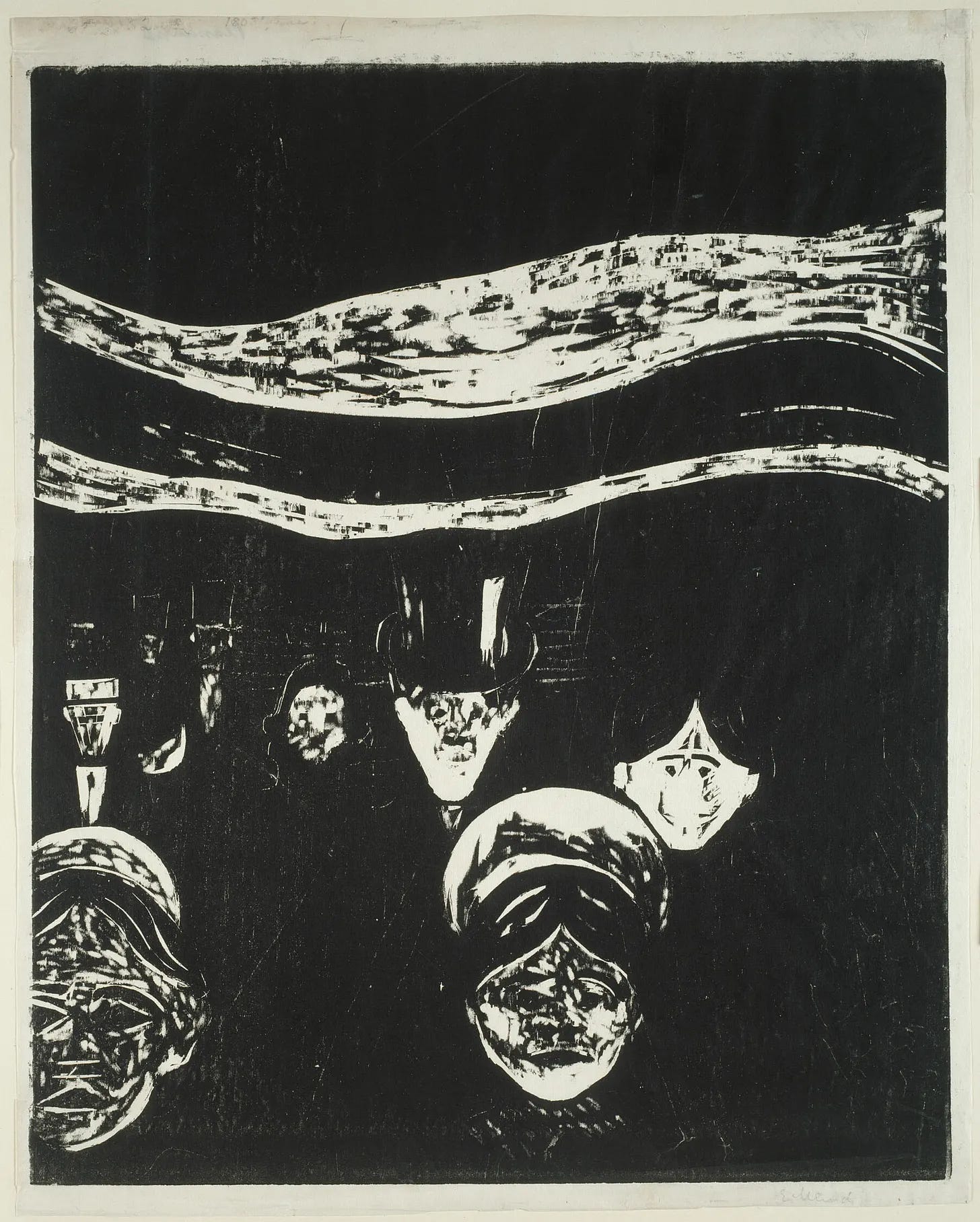
This post completely changed from when I first started writing it to now sending it to you. My major point shifted, which meant rewriting a good chunk. The writing process is so cool. And time consuming. Hence the delay since my last. Original point is on Instagram. Hi!
A recent quote from celebrity, author, actress, and endo-club-member, Lili Reinhart has been making the rounds on social media. And for good reason. But something important has been left out of the discourse.
In an interview with Cosmopolitan, Lili said:
“I genuinely think that if it became illegal for doctors to blame women’s health symptoms on their anxiety, the world would change.”

I agree with her. The world would absolutely change. I know that some painful experiences of my own would likely have never happened. For example, maybe that young male doctor wouldn’t have asked me—a clinical psychology PhD student at the time mind you—if I had ever “heard of” anxiety.
The gall, and frankly laziness and lack of humility, to settle on anxiety as the culprit in place of adequate medical investigation is much too common.
But beyond the medical system, blaming physical symptoms on anxiety changes how those of us with chronic health conditions relate to anxiety itself.
Let’s reclaim anxiety
I hate that anxiety has become a bad word in the chronic illness community, though I get how it happened.
Because the truth is that anxiety, like illness, can also be debilitating. We should pay attention to anxiety. We should care about anxiety. We should give anxiety the space it deserves especially if we’re living the stressful and anxiety-provoking existence of chronic illness.
Beyond my anger about how common medical dismissal is, I’m also mad that the weaponization of anxiety by healthcare professionals has created a world where people with chronic conditions are hesitant and resistant to acknowledge that they are indeed experiencing anxiety.
People with chronic illness are forced to play this carefully choreographed game where we distance ourselves from any mental health diagnosis out of fear that it will be taken as the root cause of our physical ailments in the small white room, with the fluorescent lighting, across from someone with a stethoscope. It’s an exhausting dance tbh and I wish we didn’t have to do it.
Guess what?? Illness and anxiety coexist
Here’s the reality: you can have both anxiety and illness, and your anxiety can even be about your illness and still not be the cause of your illness. So when doctors and therapists minimize physical symptoms as anxiety, they are not only dismissing patients’ reality, they are also taking away chronically ill people’s willingness and ability to seek support for anxiety and its real impact on our lives.
What we need is for individuals with impressive degrees (yes, I know I’m one of them) who were taught lack of nuance—treatment protocols, test results, academic journals—to have the humility to understand that there is still so much we don’t know about the body.
Let me say that again. There. Is. Still. So. Much. We. Don’t. Know. About. The. Body.
Given this, can we agree that anxiety is the easy out as an explanation for chronic symptoms? And can we create a world where people can both get support for their anxiety and not get their physical symptoms dismissed as anxiety?
Who’s ready to reclaim anxiety?
Sending lots of love for joy and healing always <3,
Dr. Talia
Reflection for you: How do you relate to anxiety? Have you performed the choreographed dance of distancing yourself from a mental health diagnosis? How did it impact you?
More ways I can support you:
🌻 My guide, “What I Wish Your Therapist Knew About Chronic Illness” — A resource for purchase that bridges lived experience and clinical care.
🌻 1:1 Coaching — Illness changed the life you thought you’d have. I help you trust yourself and your body again.
🌻 Self-paced course, Believe Your Body — Stop doubting your chronic illness symptoms and trust yourself to make the best decisions for your body and your health (code NEWSLETTER15 for 15% off)
You can also find me on Instagram
Some previous posts you may enjoy:
10 ways to measure chronic illness progress beyond symptom improvement; Ask Dr. Talia #2: What if no doctor ever believes me?; Why is it so hard to believe your symptoms with chronic illness?
symptoms of anxiety can often have a biological mechanism and basis that is being overlooked... also being unwell can be anxiety inducing!
Every person who has POTS! Like duh I feel anxiety, my body is a cortisol factory. Now let’s talk about the equally real structural problem I came to doctor number 428 to talk about.